
Azure Pipelines–Multi stage run

I'm currently migrating an existing CI/CD pipeline build in Azure DevOps from the ‘classic’ build approach to YAML templates.

For the project I’m migrating the code moves through multiple stages, where 2 stages should run in parallel. This is how it should like:

My first attempt looked like this:


And when I executed this pipeline, Azure DevOps translated this to the following diagram:
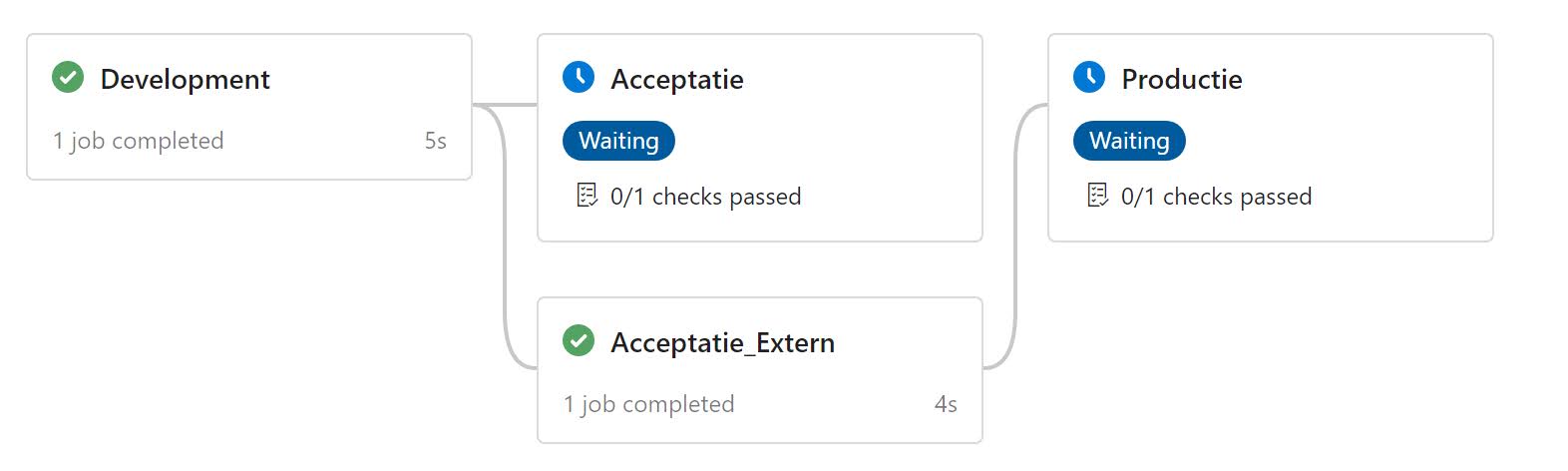
This was not exactly what I wanted. As you can see the ‘Productie’ stage will be executed only when the ‘Acceptatie_Extern’ stage has completed succesfully. It doesn’t matter if the ‘Acceptatie’ stage completed or not.

The good news is that this is easy to fix. We have to update the ‘Productie’ stage to depend on both the successful completion of the ‘Acceptatie’ and ‘Acceptatie_Extern’ stage. Let’s update our yaml file:

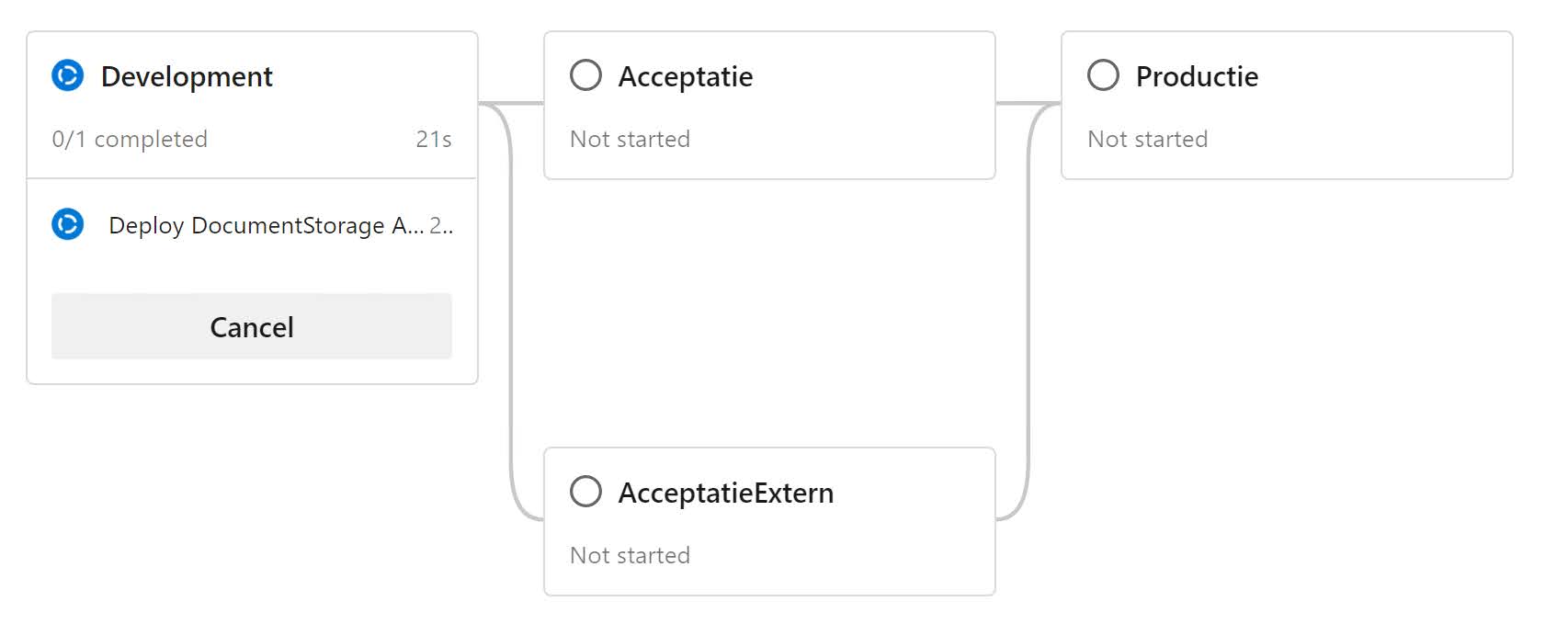
And if we now execute our pipeline again, we see that both stages are linked to ‘Productie’:
 

Popular posts from this blog

Podman– Command execution failed with exit code 125

After updating WSL on one of the developer machines, Podman failed to work. When we took a look through Podman Desktop, we noticed that Podman had stopped running and returned the following error message: Error: Command execution failed with exit code 125 Here are the steps we tried to fix the issue: We started by running podman info to get some extra details on what could be wrong: >podman info OS: windows/amd64 provider: wsl version: 5.3.1 Cannot connect to Podman. Please verify your connection to the Linux system using `podman system connection list`, or try `podman machine init` and `podman machine start` to manage a new Linux VM Error: unable to connect to Podman socket: failed to connect: dial tcp 127.0.0.1:2655: connectex: No connection could be made because the target machine actively refused it. That makes sense as the podman VM was not running. Let’s check the VM: >podman machine list NAME         ...

Azure DevOps/ GitHub emoji

I’m really bad at remembering emoji’s. So here is cheat sheet with all emoji’s that can be used in tools that support the github emoji markdown markup: All credits go to rcaviers who created this list.

VS Code Planning mode

After the introduction of Plan mode in Visual Studio , it now also found its way into VS Code. Planning mode, or as I like to call it 'Hannibal mode', extends GitHub Copilot's Agent Mode capabilities to handle larger, multi-step coding tasks with a structured approach. Instead of jumping straight into code generation, Planning mode creates a detailed execution plan. If you want more details, have a look at my previous post . Putting plan mode into action VS Code takes a different approach compared to Visual Studio when using plan mode. Instead of a configuration setting that you can activate but have limited control over, planning is available as a separate chat mode/agent: I like this approach better than how Visual Studio does it as you have explicit control when plan mode is activated. Instead of immediately diving into execution, the plan agent creates a plan and asks some follow up questions: You can further edit the plan by clicking on ‘Open in Editor’: ...